indexpopvault
Training Centre
Operator Training
Professional Forklift Training
Structured training information for safe, confident and responsible forklift operation in workplace environments.
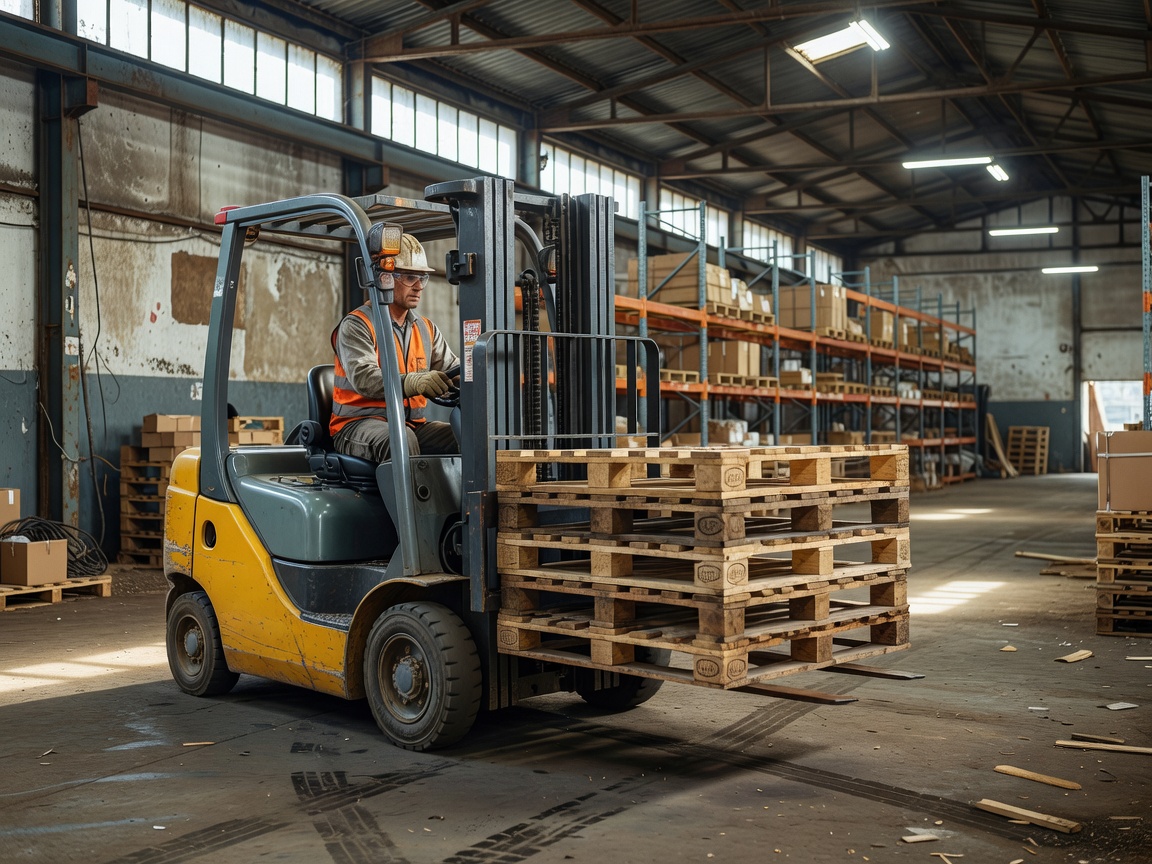
Structured Education Process
01
Orientation
Introduction to the equipment and workplace environment.
02
Safety
Understanding hazards and safe operating principles.
03
Practical Skills
Developing controlled handling and manoeuvring skills.
04
Assessment
Reviewing practical understanding and operator performance.
Workplace Environments
Training Scenarios
Practical instruction focuses on realistic workplace applications, preparing operators for the types of environments, movement patterns and day-to-day situations they may encounter during forklift operations.
Each scenario should explain the environment, the type of activity being considered and the practical skills that operators need to develop. Keep the information educational and realistic without inventing specific companies, facilities or completed training projects.
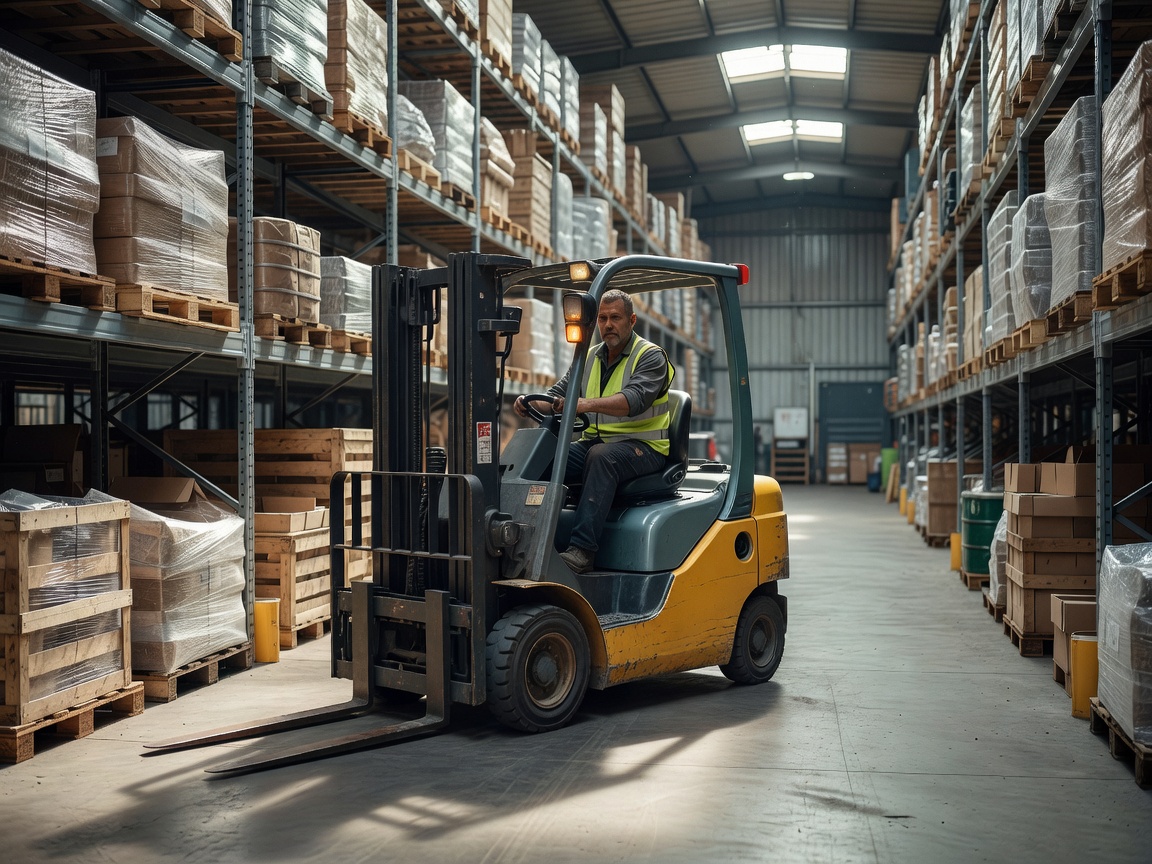
Warehouse Environment
Warehouse Aisles
Forklift operation inside warehouse aisles requires careful control of space, visibility and load movement.
Scenario Overview
Operators may work around shelving systems, stored materials, narrow travel paths and other workplace traffic. Training should focus on controlled manoeuvring and maintaining awareness of the surrounding environment while moving through restricted areas.
Training Focus
Aisle Awareness
Understanding available space and maintaining appropriate clearance around shelving and workplace obstacles.
Controlled ManoeuvringPractising smooth steering, turning and positioning without unnecessary movement.
Load PositioningKeeping loads stable and appropriately positioned while travelling through warehouse areas.
Practical Focus
- Narrow-space manoeuvring
- Rack and shelving awareness
- Controlled load movement
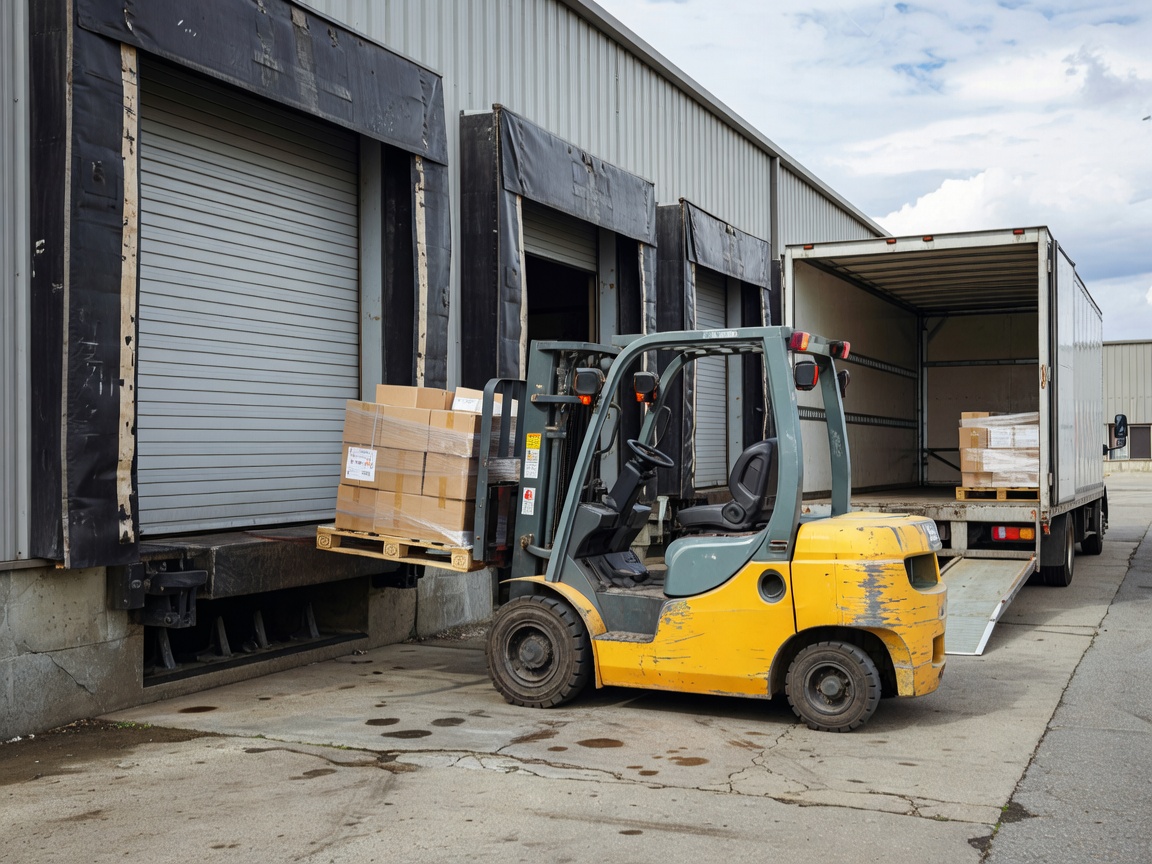
Loading Operations
Loading Areas
Loading zones can involve vehicles, equipment, materials and changing workplace conditions that require careful operator awareness.
Scenario Overview
Training can introduce the considerations involved when forklifts operate around loading docks and vehicle access areas. Operators should understand how movement, visibility, load positioning and surrounding activity can affect safe workplace operations.
Training Focus
Loading Awareness
Understanding the working space around loading and unloading areas.
Vehicle InteractionRecognising the importance of awareness when operating around vehicles and other equipment.
Load HandlingMaintaining controlled movement when positioning or transferring materials.
Practical Focus
- Dock-area awareness
- Vehicle movement
- Load positioning
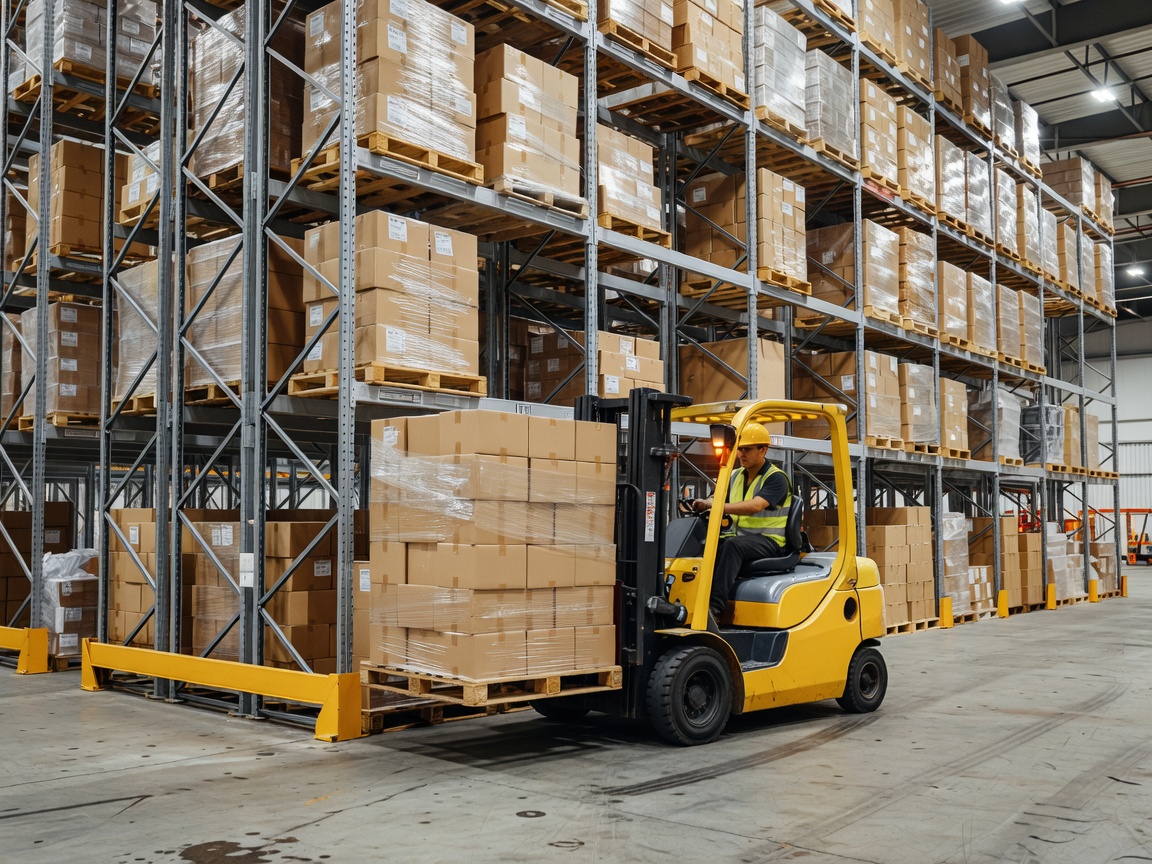
Storage Operations
Storage Zones
Organised storage areas require careful movement around shelving, stored materials and designated travel paths.
Scenario Overview
Operators should understand how the arrangement of storage areas can influence visibility, positioning and movement. Training can focus on maintaining control while approaching, positioning and leaving storage locations.
Training Focus
Storage-Area Awareness
Understanding the layout and spatial limitations of bulk storage environments.
Load PositioningPlacing and retrieving materials safely without disrupting adjacent stock.
Controlled MovementNavigating smoothly between designated storage zones and transit paths.
Practical Focus
- Storage-area awareness
- Load positioning
- Controlled movement
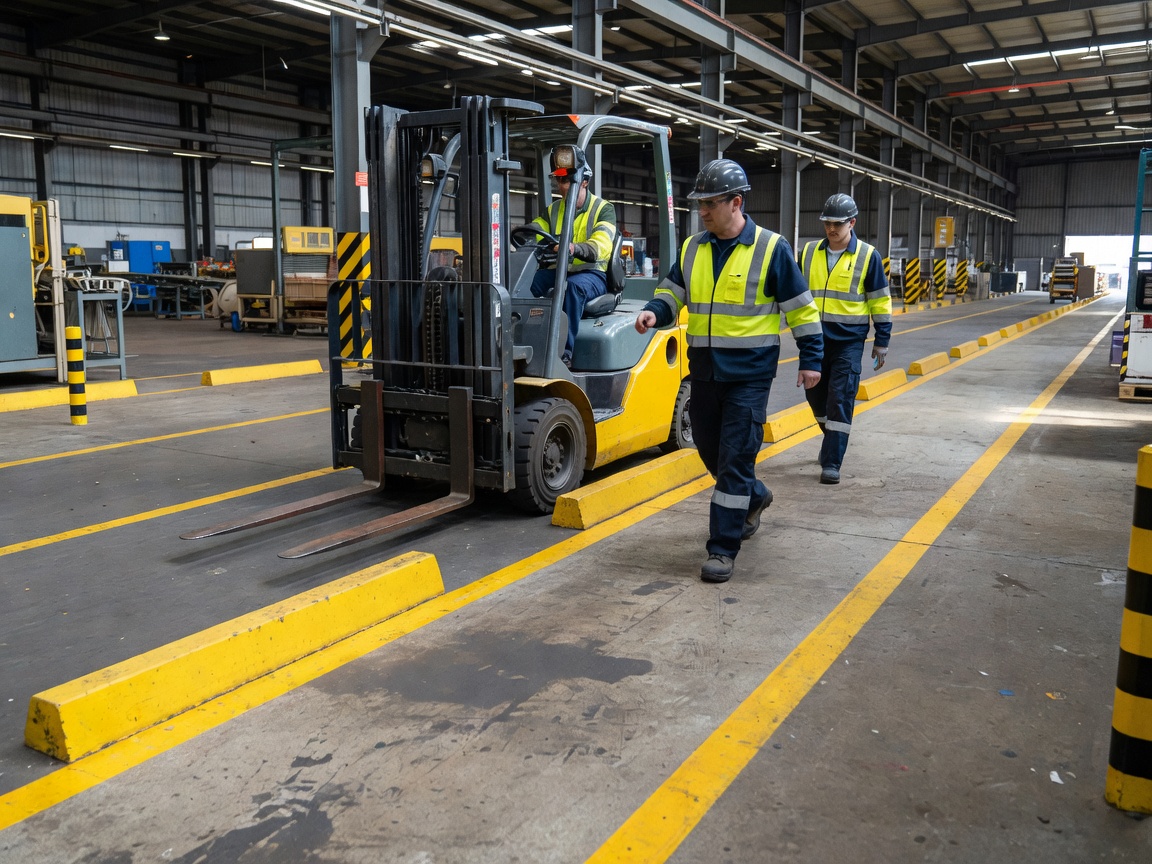
Workplace Awareness
Pedestrian Routes
Forklift operations can take place alongside designated pedestrian areas and workplace traffic routes.
Scenario Overview
This scenario focuses on maintaining awareness of people moving through shared workplace environments and understanding the importance of controlled vehicle movement around pedestrian routes.
Training Focus
Pedestrian Awareness
Anticipating foot traffic and recognizing blind spots near walkways.
VisibilityUsing mirrors, sounding horns, and maintaining clear lines of sight.
Controlled TravelAdapting speed and yielding right-of-way in shared zones.
Practical Focus
- Pedestrian awareness
- Visibility checks
- Controlled travel
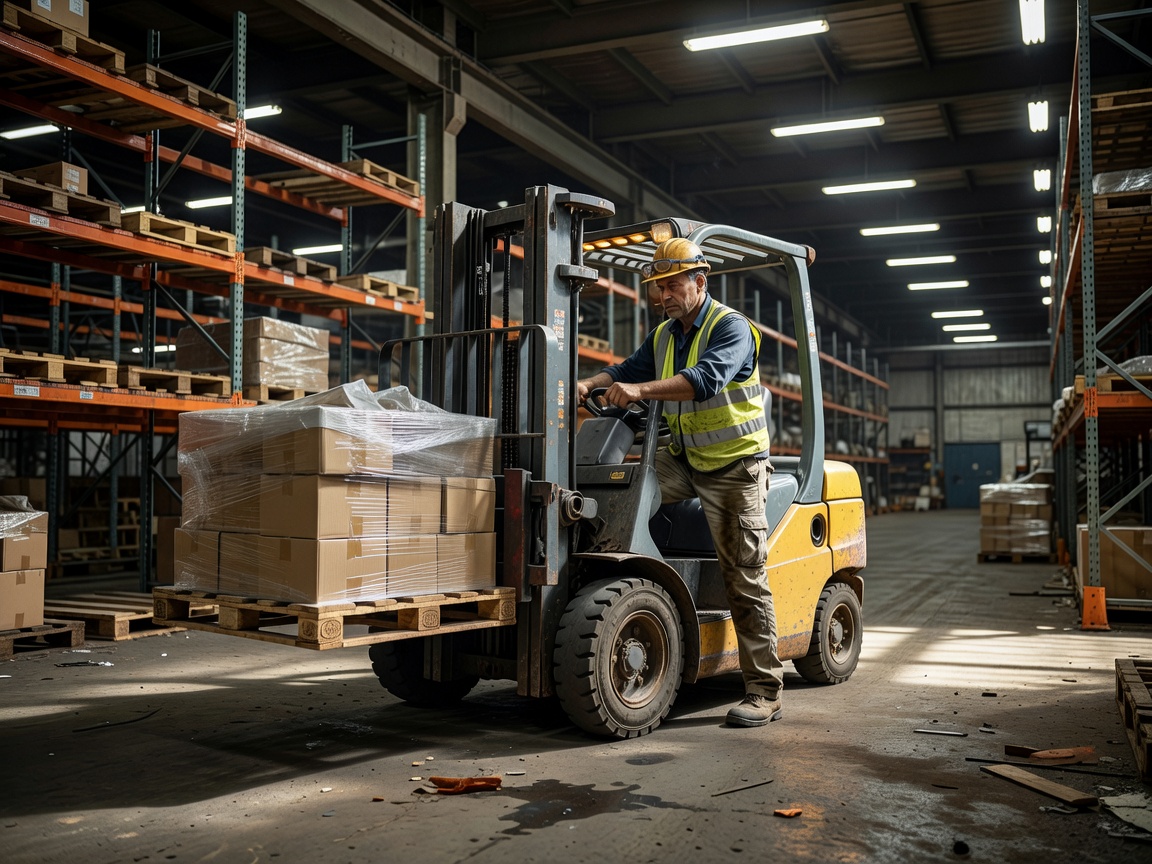
Material Handling
Material Handling Areas
Different workplace materials may require careful positioning, controlled movement and awareness of surrounding space.
Scenario Overview
Operators can use this scenario to understand the practical considerations involved in moving workplace materials from one designated area to another.
Training Focus
Load Awareness
Understanding the weight, dimensions, and center of gravity of specific materials.
Travel PlanningSelecting the most appropriate route to transport awkward loads safely.
PositioningAligning forks accurately to secure the load before lifting.
Practical Focus
- Load awareness
- Travel planning
- Precise positioning
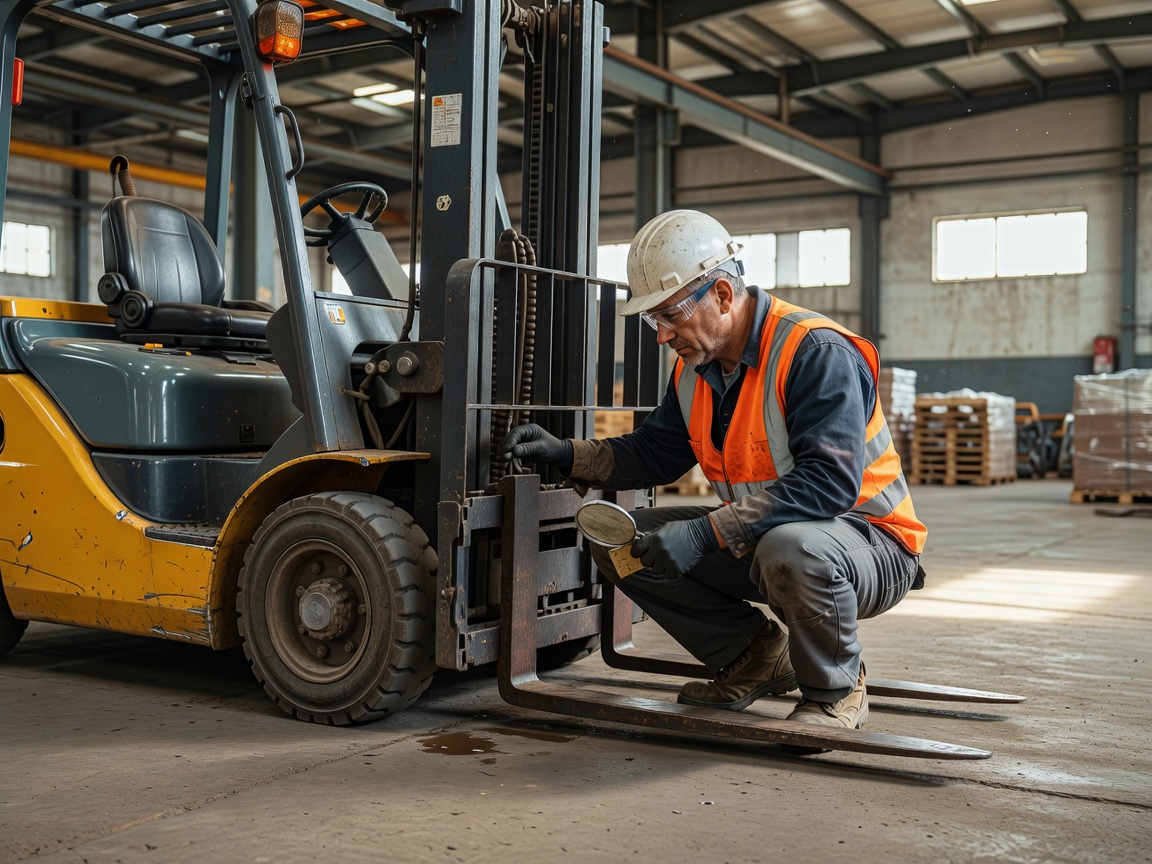
Pre-Operation
Equipment Inspection
Routine equipment checks are an important part of preparing for forklift operation.
Scenario Overview
This scenario introduces the types of visual and operational considerations an operator may review before using equipment, helping establish a consistent preparation routine.
Training Focus
Visual Checks
Inspecting tires, forks, and hydraulic lines for signs of wear or damage.
Equipment ConditionTesting controls, brakes, and safety devices to ensure optimal function.
Pre-Shift PreparationDocumenting findings and reporting anomalies before starting work.
Practical Focus
- Visual checks
- Equipment condition testing
- Pre-shift preparation routines
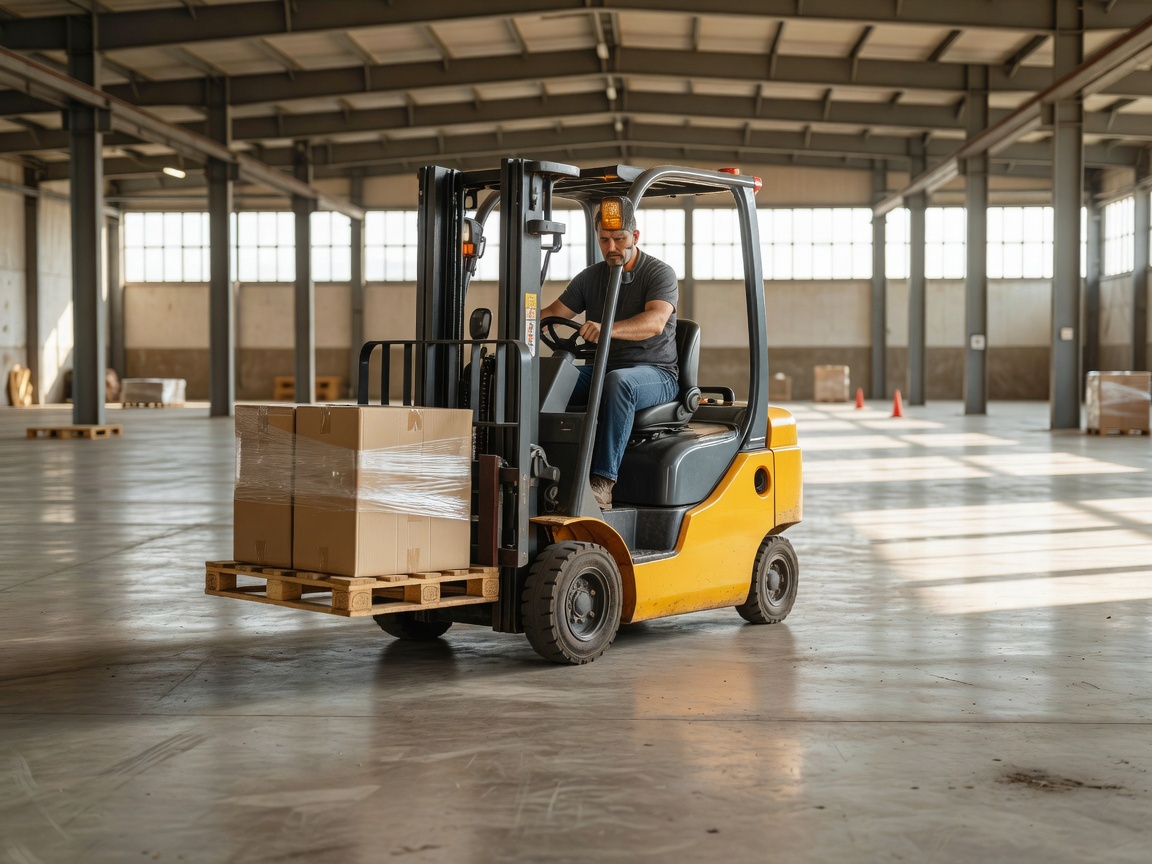
Practical Skills
Manoeuvring Areas
Open training areas provide space to practise controlled steering, positioning and directional changes.
Scenario Overview
A structured manoeuvring environment can help operators develop smoother control and become familiar with the movement characteristics of their equipment.
Training Focus
Steering Control
Mastering rear-wheel steering dynamics for precise navigation.
TurningExecuting safe, smooth cornering maneuvers while maintaining stability.
PositioningAccurately aligning the vehicle in relation to targets and boundaries.
Practical Focus
- Steering control
- Smooth turning
- Spatial positioning
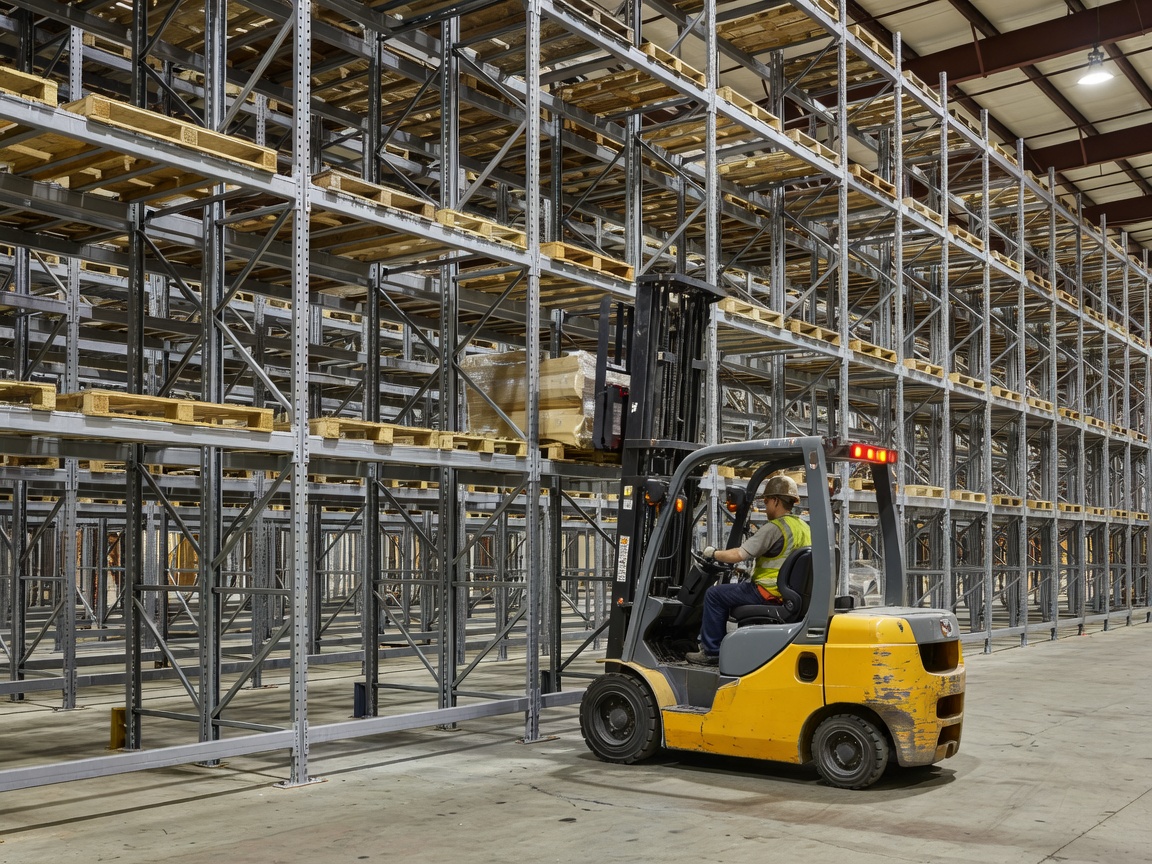
Racking Environment
High-Bay Storage
High-level storage environments require careful attention to positioning, visibility and load handling.
Scenario Overview
Training can explore the considerations involved when operating around tall storage structures and positioning loads within designated storage areas.
Training Focus
Height Awareness
Judging distances and vertical clearances accurately.
Load PositioningEnsuring pallets are perfectly aligned before engaging or depositing in elevated racks.
VisibilityUtilizing proper techniques to monitor load stability at significant heights.
Practical Focus
- Height awareness
- Elevated load positioning
- Visibility management
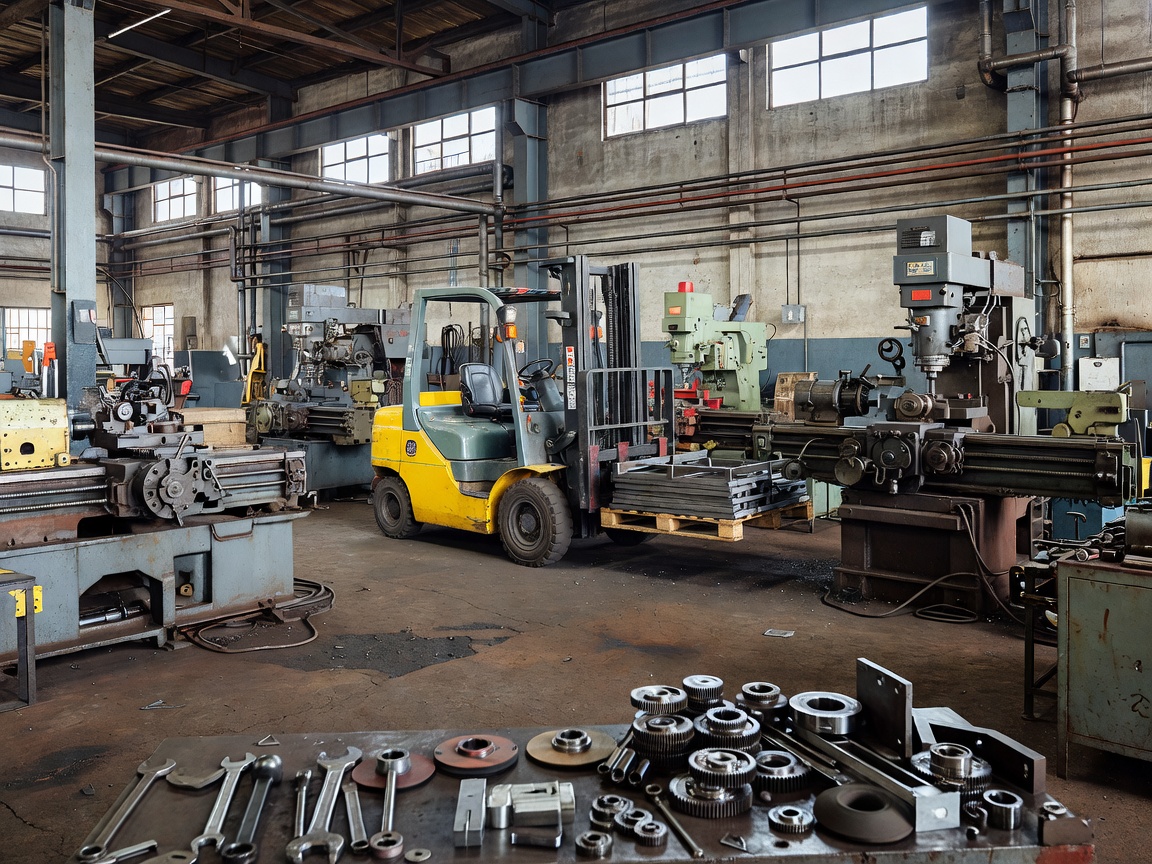
Workshop Environment
Workshop Areas
Workshops can contain machinery, tools, materials and restricted travel paths that require additional environmental awareness.
Scenario Overview
This scenario focuses on controlled forklift movement through active workshop environments and the importance of recognising nearby equipment and workplace activity.
Training Focus
Space Awareness
Navigating safely around stationary machinery and workbenches.
Equipment AwarenessUnderstanding the proximity of sensitive equipment and potential pinch points.
Controlled MovementOperating at reduced speeds to accommodate unpredictable workshop activities.
Practical Focus
- Space awareness
- Equipment awareness
- Controlled movement
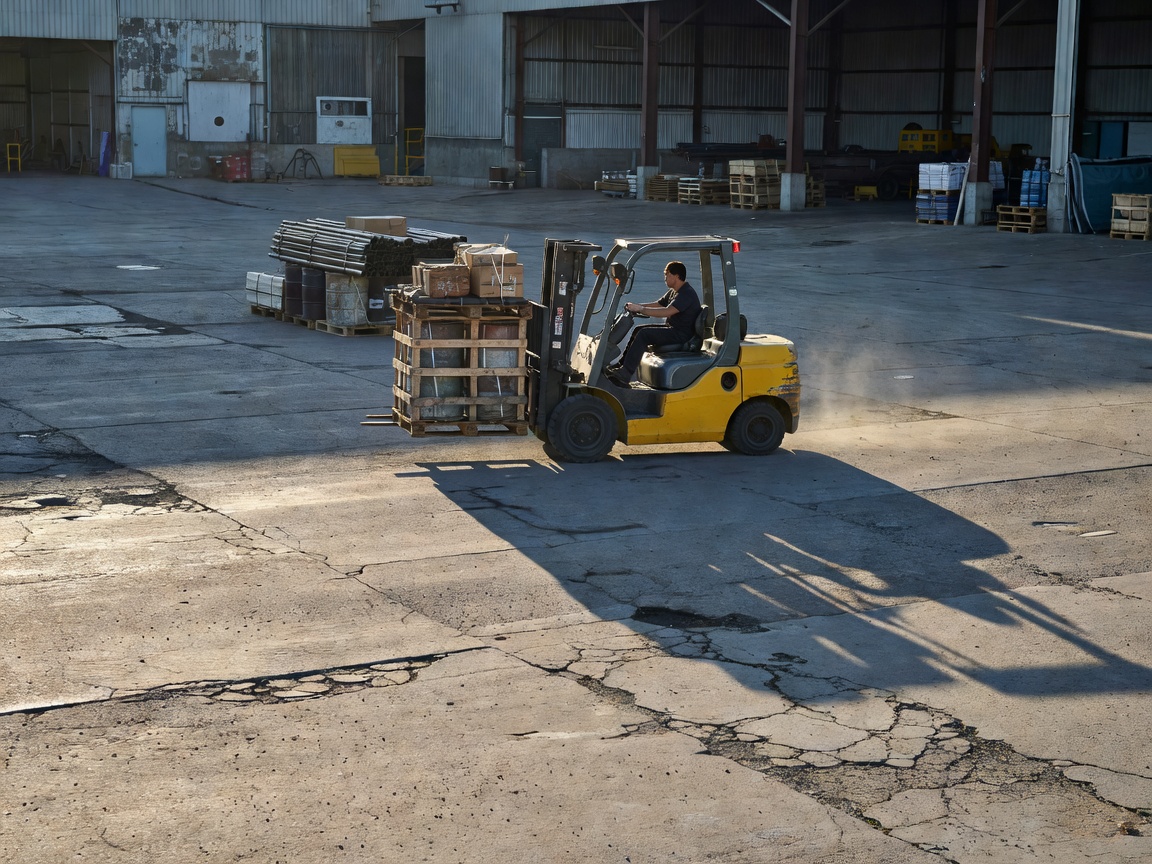
Outdoor Operations
Outdoor Yards
Outdoor operating areas can introduce different surfaces, open spaces, vehicles and changing environmental conditions.
Scenario Overview
Training can address the practical considerations involved in moving materials through outdoor workplace areas while maintaining controlled operation and awareness of the surroundings.
Training Focus
Surface Awareness
Identifying hazards like uneven ground, potholes, or slick areas caused by weather.
Outdoor MovementAdapting driving techniques to larger spaces and variable lighting.
Environmental AwarenessManaging interactions with delivery trucks and external foot traffic.
Practical Focus
- Surface awareness
- Outdoor movement adaptation
- Environmental awareness